4 Pregnancy and Postpartum Exercise Myths It’s Time to Let Go Of
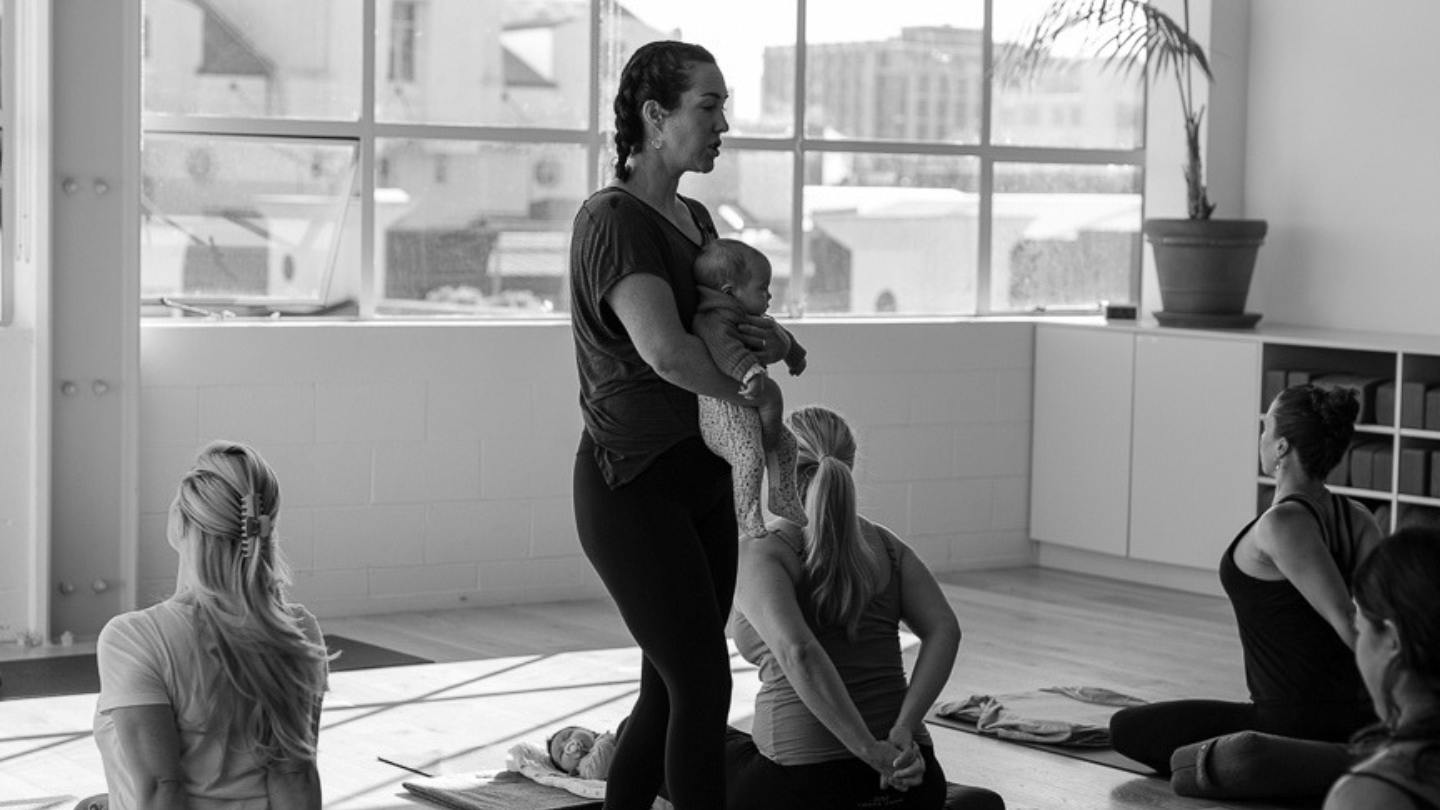
I'm a mum of three boys and a pregnancy and postpartum trainer. I'm also a BirthWorks childbirth educator and a certified Polestar mat Pilates and hypopressive exercise instructor, and I love nothing more than geeking out on the latest women's health research.
In my work with women, I hear the same worries over and over. Is this safe? Should I stop? When can I go back to what I used to do?
A lot of the advice women are given is outdated, and much of it comes from fear rather than evidence. Let's clear up four of the biggest myths.
Myth 1: In pregnancy you can only do gentle yoga, Pilates and walking
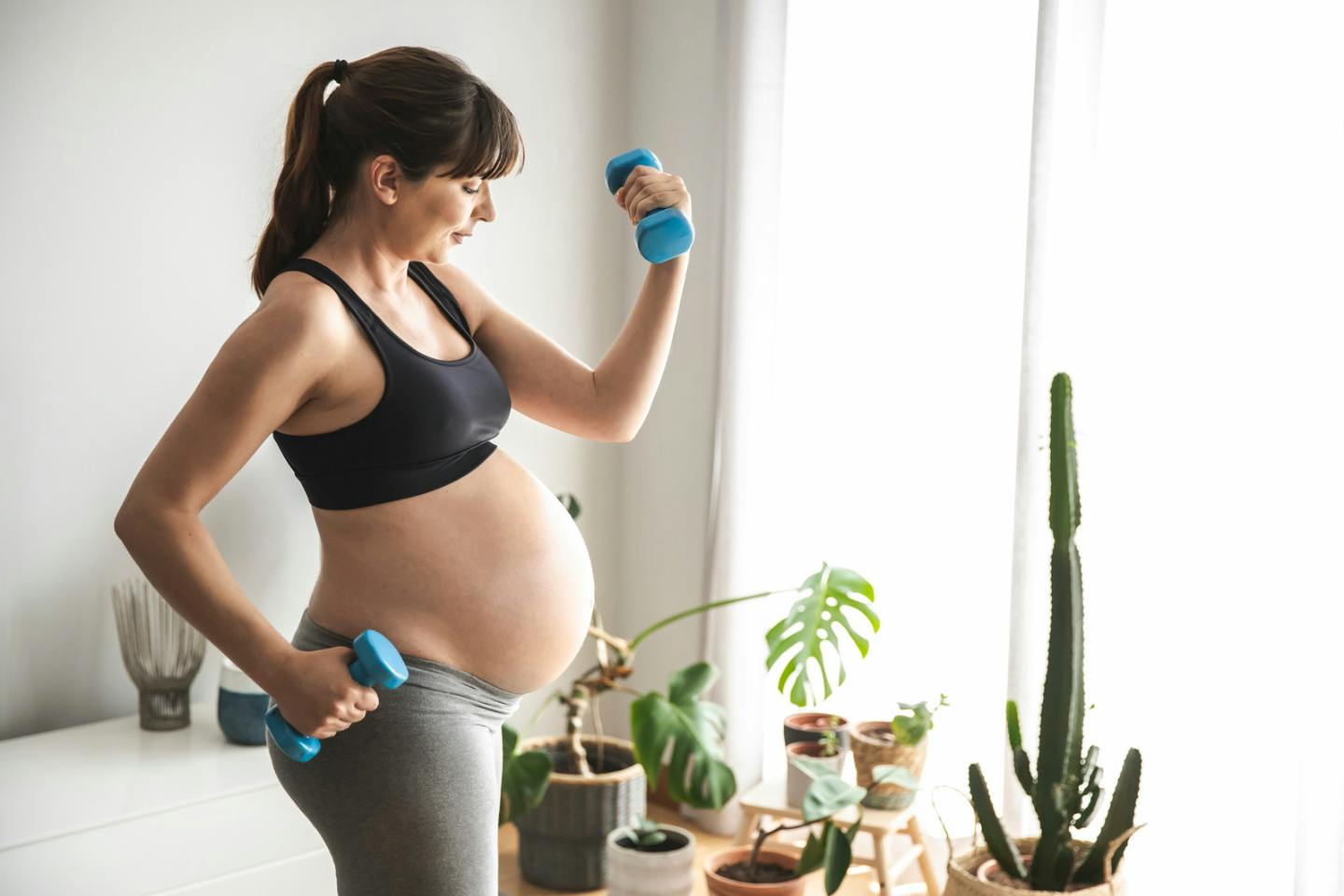
For years, pregnant women were told to take it easy and that intense exercise could harm the baby. The research tells a different story.
The 2019 Canadian guideline for physical activity in pregnancy describes prenatal exercise as a front line therapy for reducing pregnancy complications. It says women who were active before pregnancy can keep going, modifying as their pregnancy progresses. It also found physical activity is not linked to miscarriage, stillbirth, newborn death or preterm birth.1
Exercising in pregnancy is also linked with around a 40% lower risk of gestational diabetes, gestational hypertension and preeclampsia.2
The reality: some women carry on with high intensity cardio, impact and weights. Others need to adjust. Both are completely valid.
Where slowing down does make sense
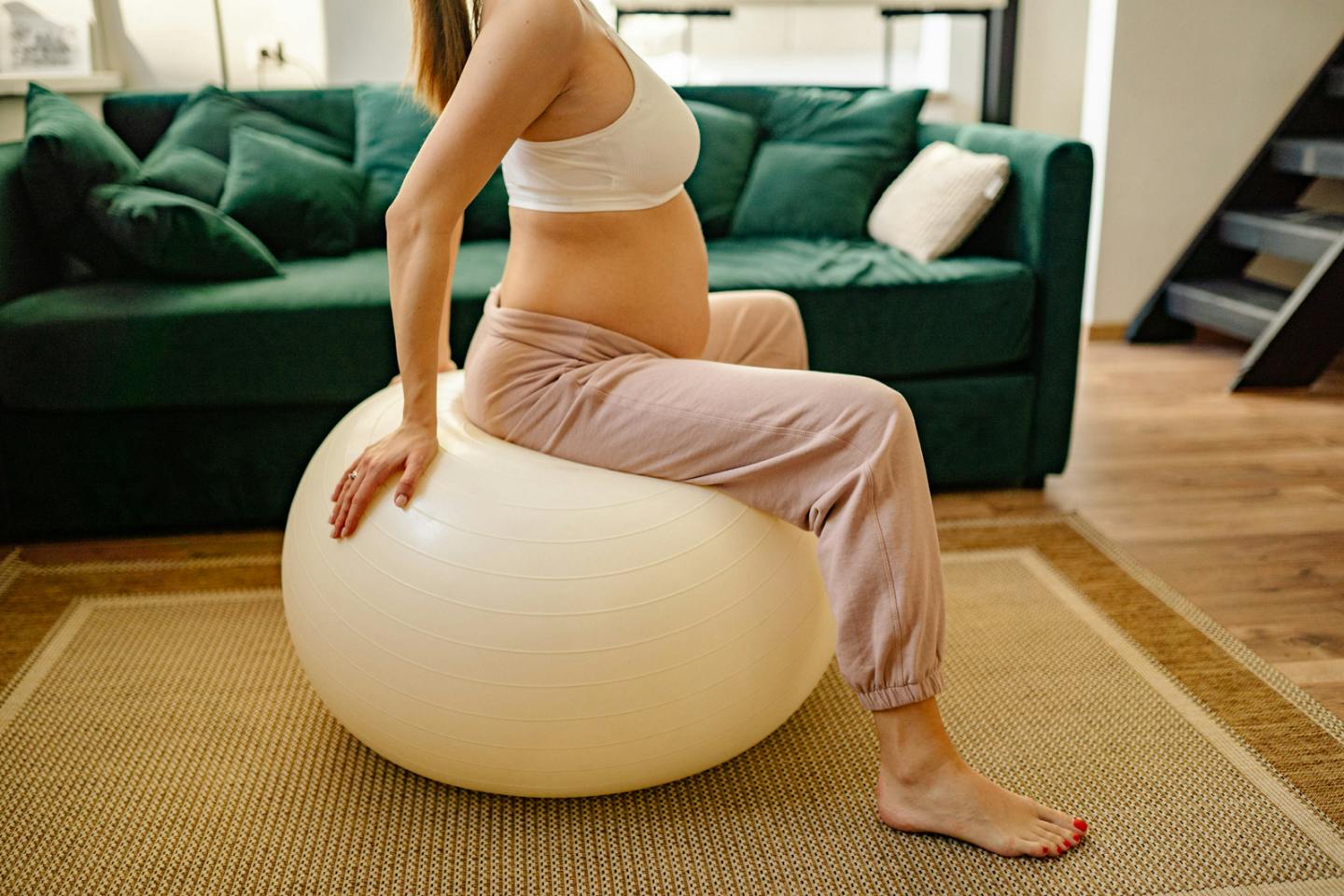
Pregnancy changes the way your body handles load. Your joints become more mobile, so any existing imbalances around the pelvis can start to show up as pain. You may have heard this blamed on the hormone relaxin, but research hasn't shown that relaxin directly causes pelvic pain.3
Some women need rehab, not rest. Others find impact or heavy weights just stop feeling good later in pregnancy, and that's fine too.
How much you can keep doing also depends a lot on your fitness before pregnancy. Well conditioned women can usually maintain more, for longer.
Myth 2: There are safe and unsafe exercises
Lists of "safe" and "unsafe" pregnancy and postpartum exercises have been doing the rounds for years. The truth is, no exercise is safe or unsafe for every woman.
What matters is how you manage pressure. When you lift, jump, strain or even cough, pressure builds inside your trunk. Managing it well means coordinating your breath and muscles so that pressure isn't pushed down onto your pelvic floor or out against your tummy wall.
That's why the same exercise can suit one woman and not another. It can even suit you at 12 weeks and not at 34 weeks.
Signs that pressure isn't being managed well include leaking, heaviness and pain. If you notice any of these, the answer isn't to stop moving. Adjust the exercise with less load, less impact or a different position, and see a pelvic health physio.
Doming, a ridge that can appear along your tummy, isn't automatically a bad sign either. Newer research is questioning how much it really matters.
In our classes, we always give a range of options so you can find your version of each exercise. I prefer to say "pelvic floor aware" rather than "pelvic floor safe".
Myth 3: Just wait until after the baby to rehab
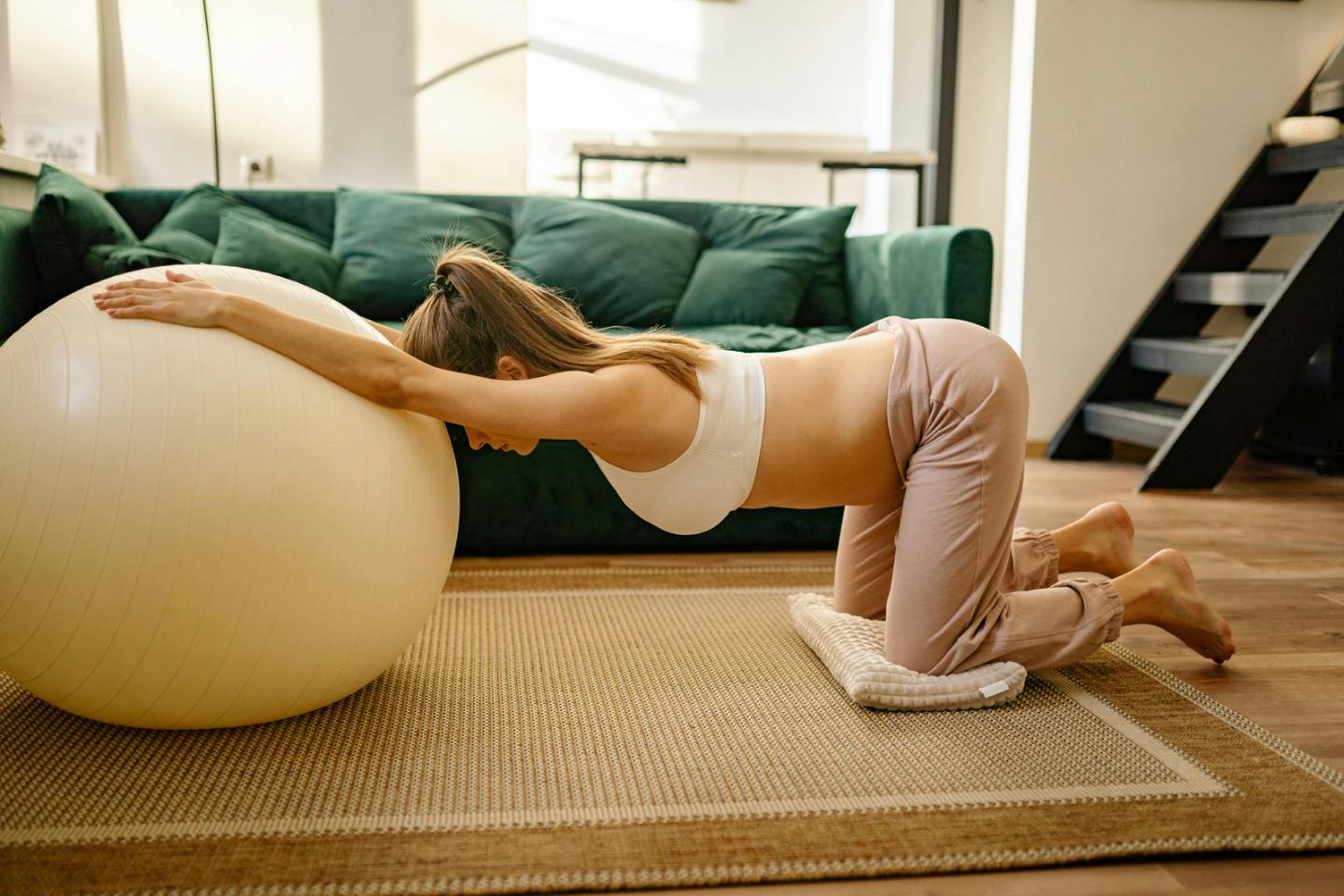
Lots of women are told they can't work on their pelvic floor or tummy separation until after birth. In reality, structured pelvic floor training early in pregnancy may help prevent leaking in late pregnancy and after birth for women who aren't already experiencing it.4
Exercise in pregnancy has also been shown to reduce the presence of abdominal separation by 35%, although the researchers rated the evidence as limited.5 So you can absolutely work on it, but it isn't a guaranteed fix.
Myth 4: Six weeks is the green light to go back to what you did before
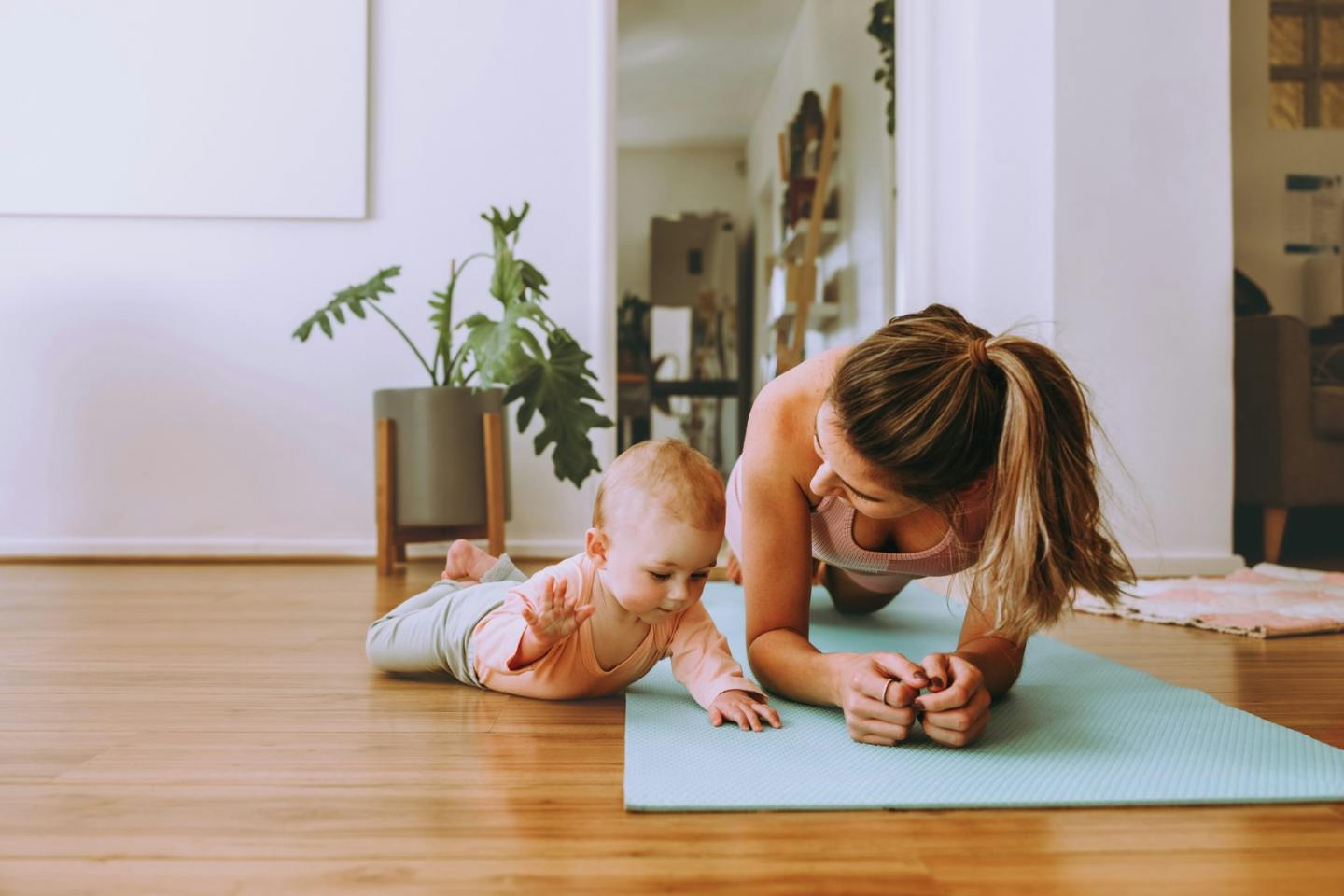
Your six week check is a follow up on healing, contraception, mood and feeding. It isn't clearance to go straight back to your old training, and it isn't a red light either.
Your arms and legs may feel ready long before your deep core is, and the deep core is often the first thing to give out. That's why I always start with breath and deep core work.
If running is your thing, the 2019 UK return to running guidelines recommend waiting at least 12 weeks before planning a return.6 More recent thinking is that readiness should be judged by how your body is responding, not by the calendar.
Healing takes months, not weeks. One study of 235 first time mums found their pelvic floor muscles still weren't fully recovered at 12 months.7 For some women recovery takes over a year, and it's different for everyone.
A strategic return gets you back to the things you love, and keeps you there, rather than cycling through injuries.
When it's different: complications
Pregnancy itself is a normal, healthy process. Sometimes complications happen, like placenta praevia, or a complication during birth or postpartum. They aren't common, but when they do happen, exercise may be limited or off the table for a while.
If you've had a complication in pregnancy, birth or postpartum, your midwife or doctor will be clear about what's okay right now, and that's a different conversation from this one.
The cost of fear

Fear has stopped a lot of women from moving during pregnancy and after birth. That leaves them deconditioned, which can mean more injuries later, a harder postpartum recovery and less capacity for everyday life with a baby.
Being in good condition supports you through labour, recovery and your mood. Moving well, at the right level for you, is one of the best things you can do for yourself.
Train with me on DediKate
If you'd like support through pregnancy and postpartum, come and train with me on DediKate. I lead our pregnancy and postpartum training, building on the deep core and pelvic floor work your physio has started, with supportive strength and movement for where you're at right now.
Short workouts you can do at home, whenever suits you. Our weekly and 8-weekly memberships start with a 7-day free trial.
Start my free trialJulia x
As always, check with your healthcare provider before starting any new exercise programme during pregnancy or postpartum.
References
1. 2019 Canadian Guideline for Physical Activity Throughout Pregnancy (CSEP and SOGC). csepguidelines.ca
2. Davenport et al. 2018, "Prenatal exercise for the prevention of gestational diabetes mellitus and hypertensive disorders of pregnancy", British Journal of Sports Medicine 52(21). bjsm.bmj.com
3. Aldabe et al. 2012, "Pregnancy related pelvic girdle pain and its relationship with relaxin levels during pregnancy: a systematic review", European Spine Journal. ourarchive.otago.ac.nz
4. Woodley et al. 2020, "Pelvic floor muscle training for preventing and treating urinary and faecal incontinence in antenatal and postnatal women", Cochrane review. cochrane.org
5. Benjamin, van de Water and Peiris 2014, "Effects of exercise on diastasis of the rectus abdominis muscle in the antenatal and postnatal periods: a systematic review", Physiotherapy 100(1). pedro.org.au
6. Goom, Donnelly and Brockwell 2019, "Returning to running postnatal: guidelines for medical, health and fitness professionals managing this population". blogs.bmj.com
7. "Recovery of pelvic floor muscle strength and endurance 6 and 12 months postpartum in primiparous women: a prospective cohort study", International Urogynecology Journal, 2022. ncbi.nlm.nih.gov